

Why international productions keep choosing Andalusia — beyond the clichés
International productions look for local insights and knowledge that transfers onto the screen. And that's where local fixers come to play
KILLO FILMS
5/19/20265 min leer
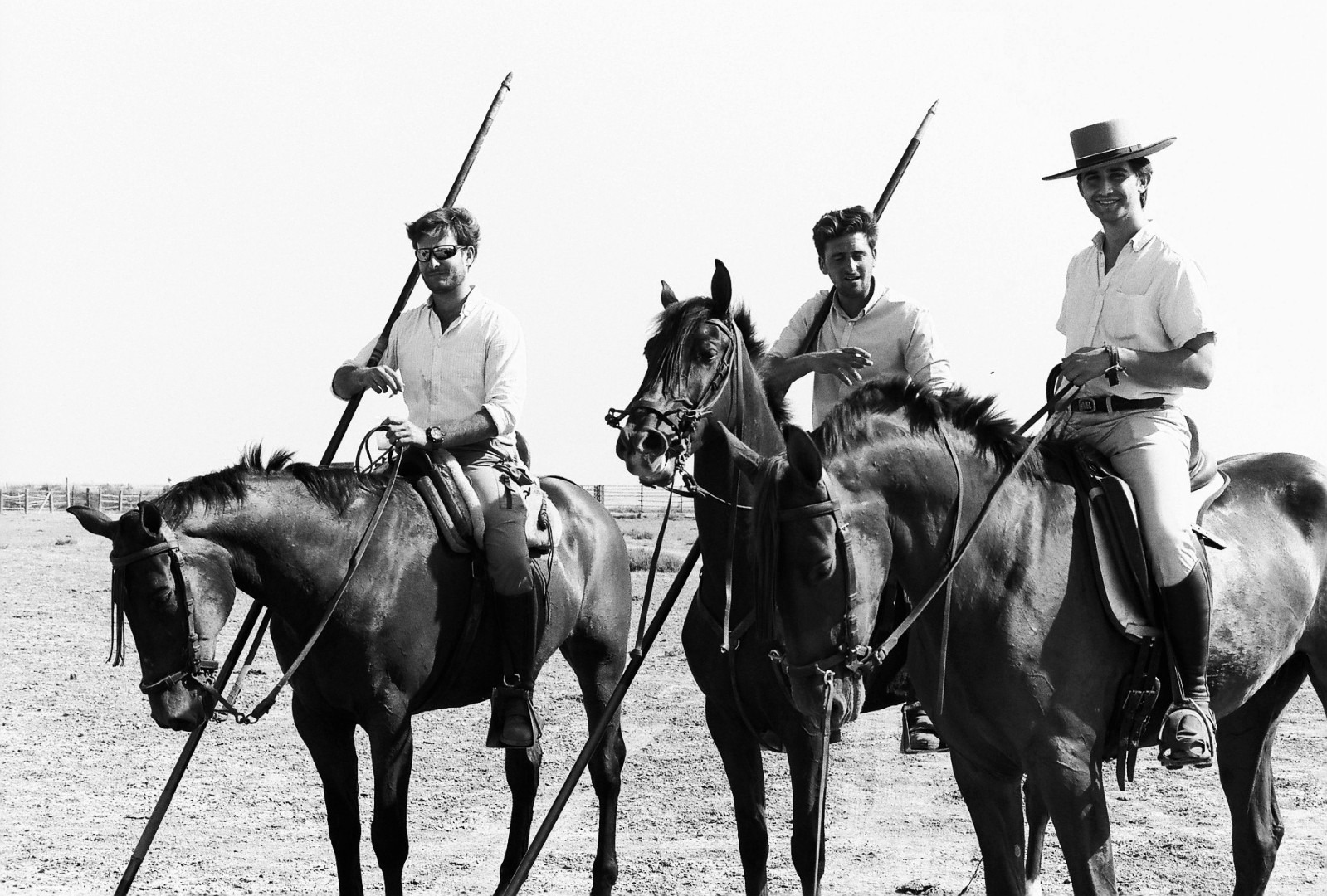
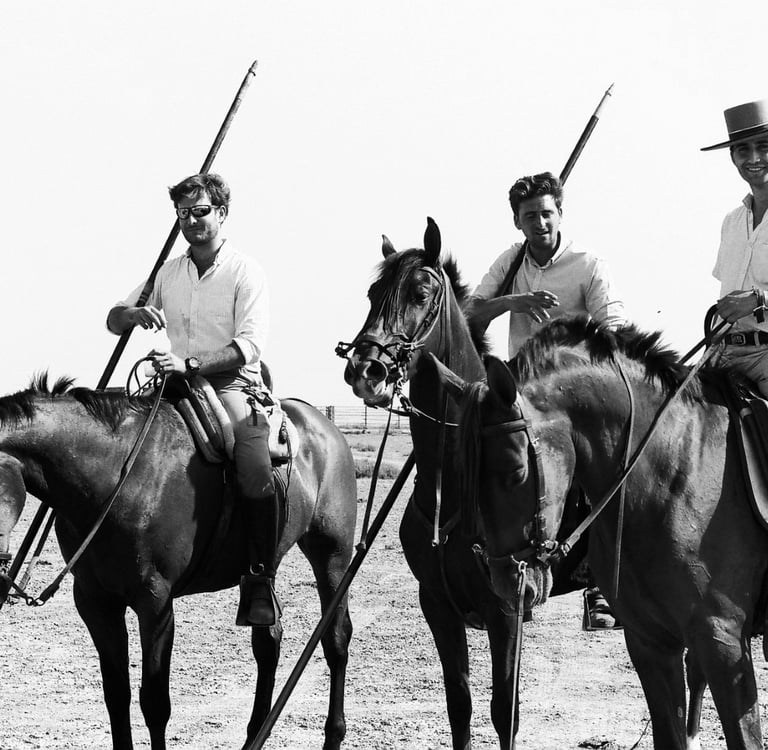
For decades, international productions have been drawn to Andalusia for obvious reasons. The light. The weather. The architectural diversity. The possibility of moving from desert landscapes to dense historical city centres in just a few hours.
At KILLO, our experience as local fixers and production support for international shoots across Andalusia has taught us that filming here is about much more than logistics alone. But anyone who has actually filmed here knows that Andalusia is much more than a collection of spectacular locations.
It is a territory with its own rhythms, social codes and contradictions. A place where geography, culture and daily life constantly overlap. And for filmmakers, understanding that reality often becomes just as important as organising the production itself.
Because filming Andalusia is not only about finding the right backdrop.
It is also about knowing how to navigate the territory behind the image.
Being deeply connected to Andalusia ourselves, this is something we consider essential in every production we work on.
A cinematic territory with enormous visual diversity
One of the reasons Andalusia continues to attract international productions is the sheer variety of landscapes and atmospheres concentrated within a relatively accessible territory. Within a few hours, productions can move between:
Atlantic coastline,
Mediterranean landscapes,
desert environments,
dense urban centres,
mountain villages,
industrial areas,
contemporary architecture,
and historical locations shaped by centuries of cultural overlap.
For filmmakers, this creates enormous visual flexibility and endless narrative possibilities. But beyond geography, Andalusia also offers something more difficult to define: texture.
There is something special in the way light behaves in the south. The contrast between open landscapes and tight labyrinth-like urban spaces. The coexistence of tradition and modernity within the same frame. The feeling that many places are still deeply connected to their social and cultural identity.
If a production is able not only to observe these realities, but to incorporate them into its storytelling, then the locations themselves begin to shape the film in a much deeper way.
Beyond postcard imagery
International productions sometimes arrive looking for a simplified version of Andalusia: sunshine, flamenco, white villages and picturesque streets. And while those elements certainly exist, the reality of the territory is far more layered.
Filming here often means understanding how spaces are actually lived. How communities interact with the camera. How certain celebrations, rituals or environments function from the inside rather than from an external gaze. This becomes especially important in documentary filmmaking, where access and trust can shape the entire production process.
From our perspective, local production support is not simply logistical, it should be cultural and narrative. Because the challenge is not only how to film a place. It is how to film it truthfully.
From documentary filmmaking to commercial and television productions, understanding the territory from within often becomes one of the most valuable forms of production support a crew can have.
Filming complex realities from the inside
Over the years, our experience has included collaborations with international productions working across Spain in formats ranging from television to documentary filmmaking.
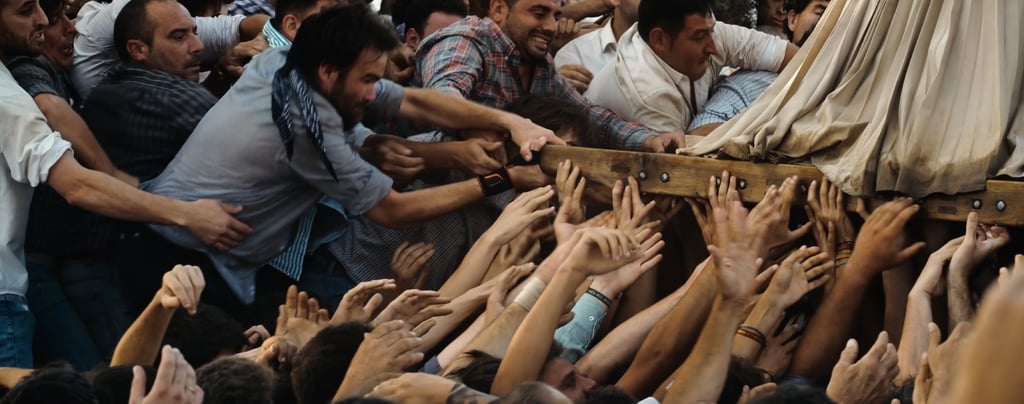
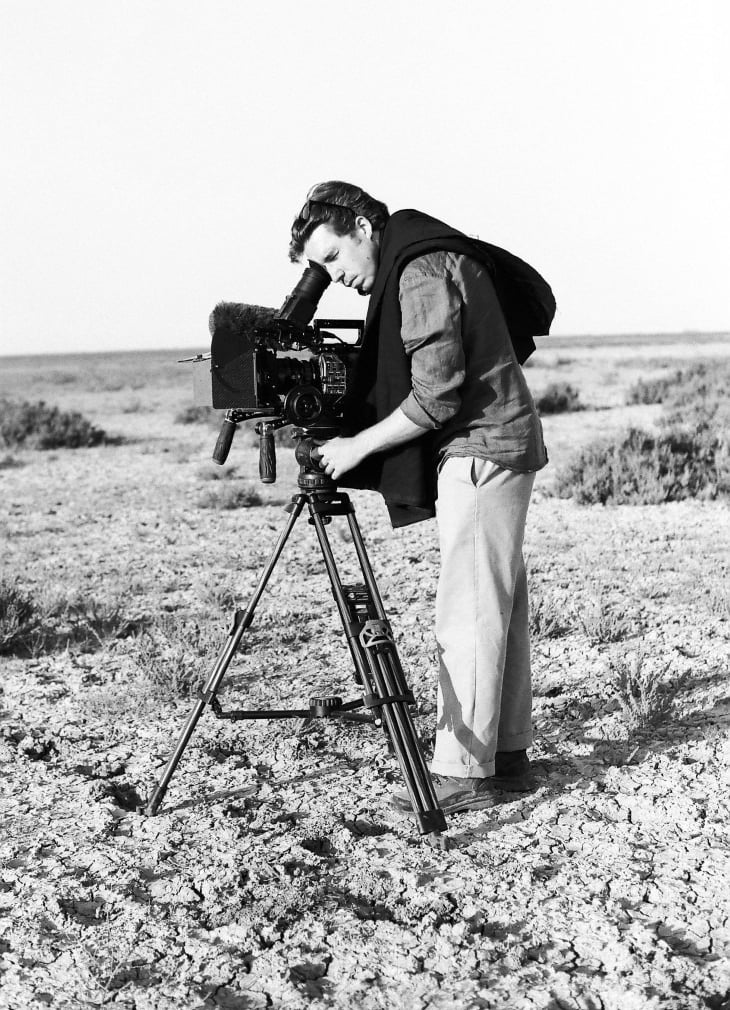
One particularly meaningful experience was working as local fixer and production support on TROPA, a Belgian feature documentary shot over several months in Almonte, in the context of El Rocío pilgrimage.
Filming in environments like these requires much more than permits or logistical coordination. Places such as El Rocío are visually spectacular, but they are also socially complex and deeply rooted in local identity. Understanding when to film, where to position a camera or how to move respectfully within certain spaces can completely transform the relationship between a production and the people being filmed.
That kind of local understanding becomes especially important when international crews are working within realities that are emotionally and culturally unfamiliar to them.
TROPA was later selected at Camerimage and received the award for Best Cinematography at the Leuven International Short Film Festival, reinforcing how deeply visual and carefully observed this type of filmmaking can become when productions are allowed to connect with a territory beyond its surface.
Working as local fixers between international productions and local realities
International shoots often involve balancing very different production dynamics at the same time: tight schedules, creative ambitions, local regulations, unpredictable environments and communication between crews coming from different cultural backgrounds.
That is why flexibility becomes essential.
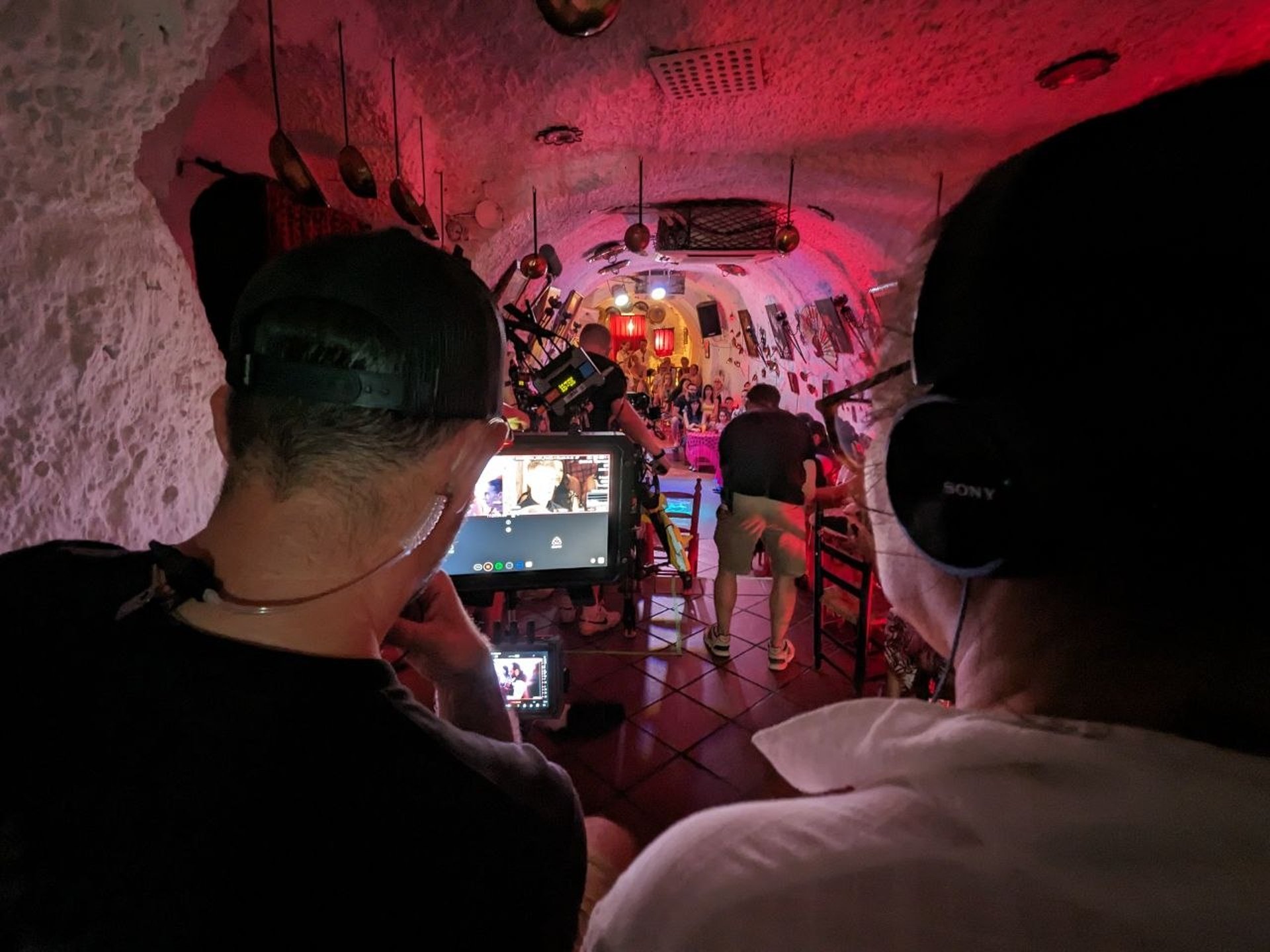
Our experience working alongside international productions such as the BBC travel-reality series Anton & Giovanni’s Adventures in Spain has taught us that the most valuable production support often happens in the space between planning and improvisation: adapting to changing conditions, finding solutions quickly and understanding how to keep a production moving without losing sight of the story being told.
In that particular case, our responsibilities included everything from filming permits and coordinating access to emblematic locations such as the Alhambra or Seville’s Plaza de España, to connecting the production with small artisan workshops and authentic flamenco caves in Granada.
Beyond logistics, this kind of work also involves helping international productions access a more genuine understanding of the places they are filming. Production service is often understood as a purely operational task: transport, permits, crew management or scheduling. And of course, all of those things matter.
But for many international productions — especially documentaries, premium television or auteur-driven projects — local knowledge becomes something much more valuable.
Sometimes it means understanding how a location changes throughout the day.
Sometimes it means recognising the emotional weight certain spaces carry for the people who inhabit them.
Paradoxically, a local understanding of a location can sometimes mean knowing when not to film.
At KILLO, we understand that the role of local production support is not only to solve practical problems, but to help productions move through a territory with sensitivity and awareness.
Andalusia can be incredibly generous on camera. But like any place with strong identity, it also requires attention, patience and respect.
Andalusia as a living territory
There are many reasons why international productions continue choosing Andalusia. The landscapes speak for themselves. But what often stays with filmmakers after shooting here is something harder to describe:
the feeling that the territory is alive beyond the frame. That every location carries memory, tension, character and contradiction. That filming here is not simply about capturing beautiful images, but about entering spaces that already contain their own stories.
And perhaps that is why productions keep coming back.
Not only because Andalusia looks cinematic.
But because it is much more than that.
And it is important to understand this before hitting the REC button. And we know aal about it, KILLO!
Planning an international production in Andalusia?
From documentaries and premium television to branded content and commercial productions, we help international crews navigate Andalusia through local knowledge, cinematic sensitivity and hands-on production experience.